Lead-free plumbing in NZ for 2026 represents a monumental shift in how we approach water safety within our homes, schools, and businesses. This upcoming mandate ensures that every component that comes into contact with our drinking water meets a rigorous new standard for purity and health.
The update to the G12/AS1 building code requires that all new plumbing products contain no more than 0.25% lead by weighted average. This change affects a wide range of stakeholders. Examples of these are homeowners planning kitchen renovations, educational facilities protecting students, and commercial property managers overseeing large-scale infrastructure.
At Matthews Plumbing and Gasfitting, we are committed to helping our local community navigate these technical transitions with ease and professional confidence. By understanding the timeline and the specific requirements of the new regulations, you can make informed decisions about your property upgrades today.
This guide provides:
Introduced by the Ministry of Business, Innovation and Employment as part of the G12/AS1 Building Code update, the May 2026 lead-free plumbing mandate is a New Zealand regulatory change that strictly limits the amount of lead permitted in plumbing products that come into contact with drinking water.
Under the previous standards, certain copper alloys used in taps and valves could contain significantly higher levels of lead to assist with the manufacturing process. These G12/AS1 lead changes will drastically reduce the allowable amount of lead permitted in plumbing products to a strict 0.25% lead requirement in NZ.
This regulation applies specifically to any component that comes into direct contact with drinking water. Under the potable water plumbing regulations in NZ, this includes kitchen mixers, bathroom vanity taps, laundry tubs, and the internal valves within your hot water system.
The NZ Building Code G12 changes are designed to harmonise our local standards with international best practices, ensuring that the hardware in our walls and on our benches is of the highest possible quality.
IMPORTANT: The G12/AS1 update mandates a 0.25% threshold for lead in all potable water systems. This means any product used for drinking or cooking must meet this low-lead limit. The government has set a firm enforcement date of May 2026 for these new health and safety standards.
The enforcement of these rules is tied to the building consent process. If your project receives a building consent on or after 2 May 2026, every relevant plumbing fixture must be certified as lead-free.
Even for smaller jobs that do not require a formal consent, the person performing the work is legally obligated to use compliant parts. This is why changing tapware from May 2026 will need to be lead-free to meet the new legal definition of a safe installation.
The primary driver behind this regulatory shift is the protection of public health. For a long time, lead has been a common additive in brass plumbing components because it makes the metal easier to cut and shape during production. However, modern science has provided a clearer picture of how lead leaching in drinking water occurs. When water sits stagnant in a pipe or a tap overnight, small amounts of metal can dissolve into the liquid. This is particularly prevalent in areas with soft or acidic water, which can be more corrosive to traditional brass alloys.
By moving to lead-free taps in NZ, the industry is removing the risk at the source. This is a proactive measure rather than a reactive one. It ensures that the water remains as pure as the day it left the treatment plant. New Zealand is not alone in this effort; these changes align our building code with the NZ tapware standards used in Australia and the United States.
The protection of vulnerable groups is a significant part of this conversation. Children and developing infants are much more sensitive to heavy metal exposure. By mandating a cleaner weighted-average lead content across the board, we are creating a “passive” safety system.
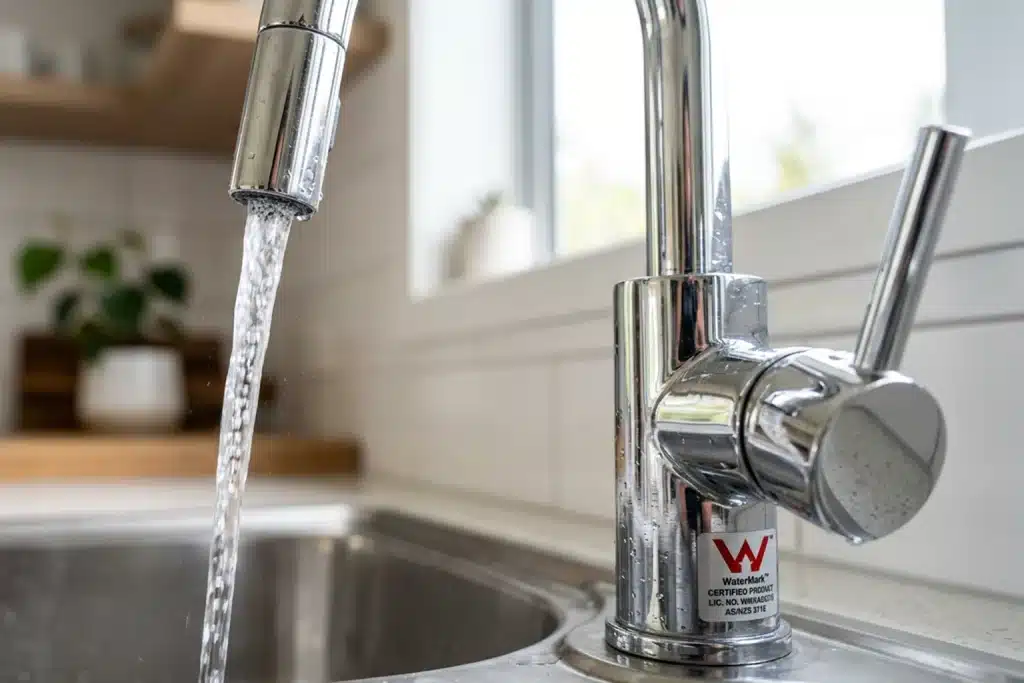
For the average homeowner, these changes will be most visible during a renovation or a repair. If you are planning a kitchen upgrade or a bathroom refresh, you must now consider the certification of the fixtures you buy. While many high-quality brands have already switched their manufacturing lines to be compliant, some older stock may still be available on retail shelves.
The potable water supply systems in a typical home involve many small parts. This includes the braided hoses under your sink, wall-mounted shut-off valves, and the main mixer itself. During a renovation, a licensed plumber will be looking for products that meet the new 0.25% limit. This is especially true for hot water cylinder replacements, as the valves connected to these units are part of the potable water path.
One of the most common questions we receive is whether homeowners need to rip out their current plumbing. The answer is a clear no. The 2026 mandate is not retrospective. If your current taps are working well and were installed legally under the previous code, you are under no obligation to replace them immediately.
The new rules apply when you choose to perform a replacement or start a new building project. If a tap breaks or you decide to update your kitchen’s look, the new unit must meet the 2026 standards. This ensures that as New Zealand’s housing stock is slowly updated over time, the overall level of lead in our environment continues to drop.
If you are starting a project today, it is wise to act as if the 2026 rules are already in place. Buying compliant stock now protects you from future regulatory changes and adds a layer of “healthy water” security to your home. When you visit a showroom, specifically ask the staff for “lead-free” or “low-lead” options.
Always look for recognised certifications. The WaterMark certification is the gold standard for verifying that a product is fit for purpose in our region. Working with a licensed professional from Matthews Plumbing and Gasfitting ensures that your installation is documented correctly, which is vital for future insurance claims or the eventual sale of your property. We can assist with everything from simple tap replacements to full-scale residential repipes.
Plumbing merchants began phasing out their lead-containing taps and products last year. We recommend purchasing new taps from a trusted plumbing supplier or sourcing them through us.
When you purchase a tap through Matthews Plumbing and Gasfitting, we handle the warranty process with our supplier if any issues arise, making things straightforward for you. If you choose to supply your own tap and it develops a fault later, you’ll need to manage the warranty claim yourself.
Important: For older taps, we recommend not drinking straight away.
Always let the water run first to flush any stagnant water from your pipework. A simple guide would run the tap roughly one second per meter of pipe, eg, if your water main is 20 metres away from your tap, then run the tap for 20 seconds.

Educational institutions carry a unique “duty of care” to provide a safe environment for students and staff. Because schools and universities often have complex, high-use water systems, the transition to lead-free components is a major priority. These facilities often have dozens of drinking fountains and kitchenettes that must be audited for compliance.
In ECE centres, the safety requirements are even more stringent due to the age of the children. Younger bodies absorb minerals and metals more readily, making the quality of the water supply a top concern for parents and administrators. Upgrading to lead-free fixtures in these centres is a practical way to demonstrate a commitment to student well-being.
On larger campuses, replacing all plumbing fixtures at once might not be financially feasible. We recommend a phased approach. This begins with a professional infrastructure audit to identify high-priority outlets, such as drinking fountains and food preparation areas. By planning these upgrades into the annual maintenance budget now, schools can ensure they are fully compliant before the plumbing transition period ends.
Property managers and owners of commercial buildings face significant responsibilities under the new G12/AS1 standards. From high-rise office blocks to retail shopping centres, commercial plumbing compliance is now a major factor in building maintenance and tenant satisfaction.
In a commercial context, the risk of non-compliance can lead to significant legal and financial headaches. If a new fit-out is completed using non-compliant materials after the 2026 deadline, the building might fail its final inspection, delaying the “Code Compliance Certificate.” This can prevent tenants from moving in and cause massive disruptions to project timelines.
Proper contractor coordination is essential; you need to be certain that every subcontractor on-site is using the correct materials.
Our team works closely with developers and body corporates to ensure that all copper alloy fittings specified in a commercial project meet the 0.25% limit. We provide the oversight and documentation needed to ensure your commercial project passes sign-off without a hitch.
As a consumer or a professional, you need a reliable way to verify what you are buying. The easiest method is to look for the WaterMark certification logo on the packaging or the product itself. This mark indicates that the product has been tested and verified to meet Australasian standards, including the new lead limits.
Another common marking is the NSF/ANSI 372 designation. This is an American standard that specifically focuses on lead content in drinking water system components. Many global manufacturers use this standard to prove their products are lead-free. If you see this mark, you can be confident that the item contains less than 0.25% lead on a weighted-average basis.
Beware of parallel imports or products purchased from unverified online marketplaces. These items may not have been tested for the New Zealand market and could contain high levels of lead or other contaminants. Using uncertified products puts your health at risk and could lead to a failed building inspection. Always request for WaterMark certification or product compliance documentation from your supplier to ensure your installation meets the New Zealand Building Code.
The shift to lead-free systems is a multi-year process. We are currently in the middle of a transition that allows the industry to move away from old stock and adopt new manufacturing techniques.
| Milestone | Date | Status |
| Transition Period Begins | Late 2023 | Currently Active |
| Last Day of Transition | 1 May 2026 | Deadline for old standards |
| Full Enforcement Starts | 2 May 2026 | New standards mandatory |
The urgency of this timeline cannot be overstated. After the May 2026 deadline, it will be illegal to install non-compliant products in any system intended for human consumption. This applies to both new builds and any repair work on existing homes. Waiting until the last minute could result in supply shortages as everyone rushes to buy the same certified parts.
Navigating the complexities of the 2026 mandate does not have to be a solo effort. As Auckland-based specialists in plumbing standards, Matthews Plumbing and Gasfitting is here to guide you through every step of the process.
Whether you are a homeowner, a school principal, or a commercial developer, we provide the expertise needed to ensure your water systems are safe and legal.
We offer a range of services designed to address the specific needs of the 2026 transition:
Our goal is to make this transition as smooth as possible for our clients. By acting now, you can avoid the rush and ensure that your property is a leader in water safety. We pride ourselves on staying at the forefront of the industry, and we are ready to help you implement the latest health-focused plumbing technologies.
The health of our community is built on the quality of our infrastructure. By embracing these changes, we are ensuring a better future for every New Zealander who turns on a tap.
If you are concerned about the materials in your current building or are planning a project for the coming year, now is the perfect time to reach out. We can provide a detailed assessment of your needs and help you choose the best lead-free products for your specific situation. Don’t wait until the regulations change; start your journey toward a healthier, compliant home or business today. Let us help you navigate the path toward lead-free plumbing in NZ for 2026.